 Texas Accident & Injury News


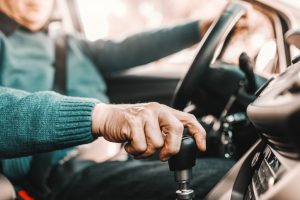
Senior drivers can face unique challenges.
Woman Hit and Killed by Senior Driver Who Drove Onto a Median on the West Side
According to a News4SanAntonio report, an accident involving a senior driver on the West Side left a woman dead last night.¹
Police reported the accident happened at around 8:45 p.m. Sunday, August 10th, at the intersection of Castroville Road and South General McMullen on the West Side. A senior man, believed to be in his 70s, was having difficulty seeing while driving down South General McMullen. As a result, he drove onto a median where a woman in her 40s was panhandling. She was rushed to the hospital in critical condition, where she later succumbed to her injuries.
The report also stated that the police do not suspect that intoxication or negligence contributed to the accident. The investigation is ongoing.
Did You Know?
4,193 accidents in Texas in 2024 were caused by impaired visibility.²
Night Driving Tips for Seniors and What to Do If You’re in an Accident
Driving at night presents unique challenges, even for experienced drivers. But for senior drivers, it can be particularly difficult.
As of 2021 data, roughly 20% of all licensed drivers in the United States were 65 and older. With this number expected to increase significantly in the coming years, it’s important for senior drivers to understand the risks of night driving—and the steps they can take to protect themselves and others.
Why Is Night Driving More Challenging for Senior Drivers?
Night driving is more challenging for older drivers for several reasons:
Reduced Eyesight — Drivers over 60 are more likely to experience natural age-related vision changes, such as reduced contrast sensitivity and slower pupil response. Eye conditions like cataracts, macular degeneration, and diabetic retinopathy can make it even harder to see clearly in low-light conditions.
Increased Risk of Drowsiness — Seniors are more prone to fatigue and may be taking medications that cause drowsiness. Drowsy driving can impair judgment and reaction time to a degree similar to alcohol impairment.
Reduced Reaction Times — Limited visibility at night reduces the time drivers have to respond to hazards. Combined with the natural slowing of reflexes that can come with age, this can greatly increase the risk of a collision.
Tips for Seniors to Drive Safely at Night
While avoiding night driving is the safest choice, it’s not always realistic. If you must drive at night, these tips can help reduce your risk:
Avoid Rural Roads
Stick to well-lit streets whenever possible. Well-illuminated routes improve visibility and make it easier to spot pedestrians, cyclists, and obstacles in time to react safely.
Drive Short Distances
Plan shorter nighttime trips to reduce the risk of fatigue. Avoid long drives late in the evening when drowsiness is more likely to set in.
Get Regular Eye Exams
Annual visits to an optometrist or ophthalmologist are essential for night-driving safety. Eye care professionals can detect and treat vision problems early and may recommend corrective lenses or treatments to improve low-light vision.
What to Do If You’re in an Accident
Whether you’re the driver or a passenger, knowing what to do immediately after a crash can protect your safety, your health, and your legal rights.
-
Check for Injuries and Call 911
Your first priority should always be safety. If anyone is injured, call emergency services immediately. -
Move to a Safe Location (If Possible)
If your vehicle is drivable and the scene is unsafe, move it to the side of the road to prevent further collisions. -
Exchange Information
Get the other driver’s name, contact information, driver’s license number, license plate number, and insurance details. -
Document the Scene
Take photos of the vehicles, damage, skid marks, road conditions, and any visible injuries. If there are witnesses, ask for their contact information. -
Seek Medical Attention
Even if you feel fine, some injuries (like concussions or internal trauma) may not be immediately noticeable. See a doctor as soon as possible. -
Report the Accident to Your Insurance Company
Promptly inform your insurer of the crash, but avoid giving recorded statements before consulting an attorney—especially if injuries or fatalities are involved.
Legal Considerations After a Night Driving Accident
Age alone does not determine fault in a car accident. Simply being a senior driver does not mean you are automatically responsible for a crash. Fault is determined by the facts—such as driving behavior, roadway conditions, and contributing factors like vehicle defects or poor lighting.
If you are a senior driver who did nothing wrong but are being unfairly blamed for an accident, it’s important to speak with an attorney right away. A lawyer can help protect your rights, gather evidence, and ensure the cause of the crash is accurately determined.
For victims and their families, legal guidance is just as critical. Even if intoxication or obvious negligence is not suspected, you may still have grounds to seek compensation—especially if unsafe road conditions, defective equipment, or other hazards played a role in the collision.
Injured in a Night-Driving Accident? Call Shaw.
If you were hurt in an accident that wasn’t your fault in Texas, you could be entitled to compensation for things like:
- Emergency Treatment,
- Medical Bills,
- Pain and Suffering,
- Property Damage,
- And More.
We’ll help you find out if you have a case for free.
Call Shaw at 800-862-1260 to schedule a free case evaluation with an experienced car accident lawyer. No fees, no obligations, just the expert legal advice you need.
We look forward to serving you.