 Texas Accident & Injury News


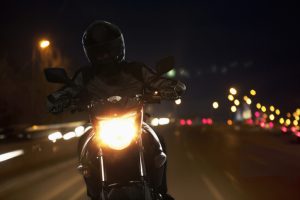
Motorcycles are much harder to see at night.
Motorcyclist Dead After Rear-Ending an 18-Wheeler on I-10
According to a News4SanAntonio report, a man is dead after a tragic motorcycle accident late Tuesday night.¹
Police reported the accident happened at around 10:30 p.m. Tuesday, August 25th, along the frontage road of I-10 West near Parkdale Drive on San Antonio’s Northwest Side.
The motorcyclist struck the back of an 18-wheeler and was thrown from the motorcycle. The motorcycle came to a stop nearly 300 feet away from the rider, who was pronounced dead at the scene.
No further information about what led to the collision was immediately available. The investigation is ongoing.
Did You Know?
According to TxDOT data, 585 motorcyclists, including riders and passengers, were killed in crashes across Texas in 2024.²
When a Motorcycle Rear-Ends an 18-Wheeler, Who Is at Fault?
When one vehicle rear-ends another, people often assume the driver in back must have caused the crash.
That may be true in many accidents, but it is not automatic.
When a motorcycle strikes the rear of an 18-wheeler, investigators still need to determine why the collision happened. The rider may have been following too closely or traveling too fast, but other factors involving the truck, another vehicle, or the roadway may also have contributed.
That distinction can become especially important after a fatal motorcycle crash.
Why Motorcycles Are Vulnerable Behind 18-Wheelers
Riding behind a semi-truck creates several challenges that do not exist when following a smaller passenger vehicle.
A large trailer can block a motorcyclist’s view of traffic farther ahead. If vehicles begin slowing beyond the truck, the rider may not see the developing traffic jam until the 18-wheeler itself begins braking.
At night, the situation can become even more difficult.
A rider may have trouble judging:
- How quickly the truck is slowing
- Whether the truck is stopped or still moving
- How much distance remains between the motorcycle and trailer
- Whether traffic immediately ahead of the truck has stopped
Leaving additional following distance gives a rider more time to recognize those changes and brake safely.
The Rear Rider Is Not Automatically Responsible
A motorcycle striking the rear of a truck does not, by itself, tell investigators everything they need to know about fault.
For example, investigators may examine whether:
- The truck’s brake lights were working properly
- The trailer had required lights and reflective markings
- The truck stopped unexpectedly or improperly
- Another vehicle forced either the truck or motorcycle into an emergency maneuver
- Roadway conditions contributed to the crash
- The motorcyclist had enough time and distance to react
In some cases, evidence may show that the rider was primarily responsible. In others, another person or company may have contributed.
Texas law can also allow responsibility to be divided when more than one party’s actions played a role in a collision.
Why Rear-End Motorcycle Crashes With Trucks Are So Severe
The difference in size between a motorcycle and an 18-wheeler makes these collisions particularly dangerous.
A motorcycle provides no protection from the structure of a commercial trailer. Unlike someone inside a passenger car, a rider does not have a reinforced frame, airbags, or seat belt to absorb the force of impact.
The rider may also be thrown from the motorcycle after striking the truck, creating the possibility of a second impact with the roadway, another vehicle, or a fixed object.
These crashes can cause:
- Traumatic brain injuries
- Spinal cord injuries
- Severe fractures
- Internal injuries
- Fatal trauma
Even when the initial impact occurs at a lower speed, the consequences can be devastating.
Visibility Matters, Especially at Night
Commercial trailers are required to have lighting and reflective markings that help other motorists recognize them after dark.
But nighttime visibility still presents challenges.
Dark roadways, glare from surrounding traffic, rain, poor lighting, and the angle of a trailer can all affect how quickly a rider recognizes a truck ahead.
Motorcyclists can reduce some of that risk by maintaining a safe following distance and avoiding riding directly behind a large truck when they cannot see traffic ahead.
Truck drivers and trucking companies, meanwhile, are responsible for making sure required lights and safety equipment are working properly.
Another Driver Can Cause a Crash Without Being Hit
Not every motorcycle accident is caused solely by the vehicles that ultimately collide.
Suppose another vehicle suddenly cuts into a motorcyclist’s lane. The rider brakes or swerves to avoid it and then strikes the back of an 18-wheeler.
Even if the first vehicle never touches the motorcycle, its driver may still have contributed to the accident.
These are sometimes called no-contact or phantom vehicle crashes.
Witness statements, dashcam footage, surveillance video, and physical evidence can become especially important when investigators are trying to determine whether another vehicle played a role.
Why a Full Investigation Matters After a Fatal Crash
Immediately after a collision, the position of the vehicles may suggest an obvious explanation.
But that does not necessarily reveal everything that happened in the seconds beforehand.
A fatal crash involving an 18-wheeler may require investigators to review:
- Witness statements
- Vehicle and roadway evidence
- Dashcam or surveillance footage
- Truck maintenance records
- Electronic vehicle data
- Lighting and reflective equipment
- The actions of other nearby drivers
That evidence can help determine whether the motorcyclist, truck driver, another motorist, or multiple parties contributed to the collision.
Lost a Loved One in a Motorcycle Accident? Call Shaw.
A fatal motorcycle crash involving a commercial truck leaves families with unanswered questions about how the accident happened and whether it could have been prevented.
An experienced attorney can investigate the collision, preserve important evidence, and determine whether the truck driver, trucking company, another motorist, or another party may have been legally responsible.
If your family lost a loved one because of someone else’s negligence, you could be entitled to compensation for:
- Funeral and Burial Expenses
- Loss of Financial Support
- Loss of Companionship
- Mental Pain and Anguish
- Other Wrongful Death Damages
- And More
We’ll help you find out for free.
Call Shaw today at 800-862-1260 to learn more about your legal options. There are no fees, no obligations, and no pressure—just straightforward legal guidance when you need it most.
We look forward to serving you.