 Texas Accident & Injury News


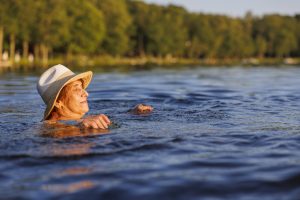
Swimming is a popular choice among active seniors.
Senior Man Tragically Drowns While Swimming at Boerne City Lake
On a calm Sunday afternoon, an 80-year-old man went for a swim at Boerne City Lake Park — and never came home.
According to a report from News4SanAntonio, emergency crews were called to the lake at around 2:30 p.m. on Sunday, May 24th after the unidentified man went underwater and began struggling.¹
Bystanders tried to help before the Boerne Fire Department arrived. Despite their efforts, his body was not recovered until around 7:30 p.m. The investigation is ongoing.
Did You Know?
Most teenage and adult drownings happen in natural bodies of water, according to the National Drowning Prevention Alliance.²
Drowning Deaths Among Seniors Are Rising Across the United States
Many people associate drowning with young children. But older adults are also at significant risk, particularly in lakes, rivers, and other natural bodies of water — and the numbers reflect it.
Drowning deaths among seniors have increased steadily in recent years, with adults aged 65 and older now among the fastest-growing groups at risk.³
These tragedies often unfold in ordinary moments: a familiar lake, a pleasant afternoon, people nearby. For families, the shock is devastating precisely because nothing seemed wrong until the worst happened.
Why Older Adults Face Greater Risks in the Water
Swimming can become more physically demanding with age, even for people who have spent decades in the water. The body’s ability to recover from fatigue, maintain balance, and respond quickly in an emergency all decline over time — and medical conditions can become a factor without any warning.
Common risk factors include:
- Reduced strength or stamina that makes it harder to stay afloat when tired
- Balance and mobility limitations that increase the chance of a sudden fall or slip
- Heart conditions or other medical emergencies that can strike without warning in cold or strenuous water
- Medications that affect coordination, alertness, or cardiovascular response
- Difficulty recovering after slipping underwater, even briefly
Natural bodies of water amplify all of these risks because conditions are unpredictable and help may not arrive for several minutes.
Drowning Is Often Silent
One of the most important — and least understood — facts about drowning is that it rarely looks the way people expect. There is often no screaming, no dramatic splashing, no obvious signal that something has gone wrong.
A person in distress may be physically unable to call out or wave for help. Instead, they may simply slip below the surface while appearing to tread water, become motionless within seconds, or briefly resurface before going under again without making a sound.
This is why drowning can happen even when others are just feet away. By the time bystanders realize what is happening, the window for an easy rescue may have already closed.
Lakes and Rivers Carry Additional Hazards
Unlike swimming pools, natural bodies of water are unpredictable environments with no lifeguard, no lane markers, and no clear bottom.
Additional dangers include:
- Murky water and poor visibility that hide drop-offs and obstacles
- Sudden depth changes that catch swimmers off guard
- Underwater currents or movement that can disorient even experienced swimmers
- Slippery rocks and unstable footing near the water’s edge
- Fatigue from longer or more strenuous swimming distances than expected
Even water that looks perfectly calm can become dangerous in seconds — especially for older swimmers whose reserves of strength and reaction time are reduced.
Water Safety Tips for Seniors
Older adults can absolutely continue to enjoy swimming and water activities. But extra precautions become more important with age, regardless of experience level.
- Never swim alone. Having someone present who can respond immediately is the single most important safeguard.
- Stay in designated swimming areas with known depths and maintained access points.
- Avoid unfamiliar or deep water, especially without knowing the conditions.
- Take breaks frequently. Fatigue in the water can escalate faster than it feels like it will.
- Be cautious with medications or medical conditions that may affect balance, coordination, or cardiovascular response.
The difference between a close call and a fatality often comes down to whether someone nearby recognized the situation in time and could act.
When Families Have Questions After a Drowning
Not every drowning involves negligence. But some situations raise serious questions about safety conditions, supervision, or emergency response — and families deserve honest answers.
Depending on the circumstances, an investigation may examine:
- Whether known hazards were properly addressed or disclosed
- Whether the swimming area was reasonably maintained and safe for public use
- Whether emergency procedures were followed appropriately and without delay
These cases are highly fact-specific and often require a careful, thorough review of everything that happened leading up to the incident.
Lost a Loved One in a Drowning Accident? Call Shaw.
Drowning investigations can become complicated quickly, especially when questions arise about property conditions, supervision, or emergency response.
If your family lost someone in a drowning accident, you could be entitled to compensation for:
- Funeral and burial expenses
- Emotional pain and suffering
- Loss of companionship and support
- And more
At Carabin Shaw, we’ll help you find out for free.
Call Shaw today at 800-862-1260 to speak with an experienced wrongful death lawyer. There are no fees, no obligations, and no pressure — just straightforward legal guidance when you need it most.
We look forward to serving you.