 Texas Accident & Injury News


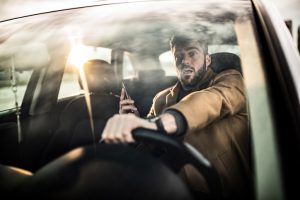
Faulty evasive action causes tens of thousands of accidents per year.
18-Wheeler Crash on New Laredo Highway Leaves 22-Year-Old Man in Critical Condition
According to a report from News4SanAntonio, a major crash left a man in critical condition last Friday afternoon.¹
Police say the accident happened at around 5:35 p.m. on April 24th on New Laredo Highway on the South Side, between Cassin Road and Plumnear Road.
An 18-wheeler was traveling northbound when the vehicle ahead slowed suddenly and came to a stop. The truck driver told police he swerved into oncoming lanes to avoid a rear-end collision. A southbound vehicle then struck the 18-wheeler.
The 22-year-old driver of the other vehicle was rushed to the hospital in critical condition. The truck driver remained at the scene and cooperated with investigators.
No other injuries were reported. The investigation is ongoing.
Did You Know?
Faulty evasive action contributed to 19,958 crashes across Texas in 2024, according to TxDOT data.²
Who’s Responsible When a Driver Swerves to Avoid a Crash?
At first glance, crashes like this can feel unavoidable.
A driver reacts to danger. They try to avoid one collision, only for another one to happen instead. It’s a split-second decision, and from the outside, it may seem like there was no good option.
But from a legal standpoint, that moment matters more than anything else.
Even in an emergency, drivers are expected to stay in control of their vehicle and make the safest possible decision under the circumstances. When that reaction leads to a more serious crash, investigators take a closer look at whether the response made the situation worse.
Why These Crashes Happen
Evasive-action crashes usually begin with something unexpected in the road, such as:
- A car that stops or stalls unexpectedly
- Debris or fallen cargo in the roadway
- An animal entering traffic
- A pedestrian in or near the road
- A partially blocked lane
Many drivers instinctively swerve to avoid what’s in front of them. But at highway speeds, especially on roads with oncoming traffic, that instinct can be dangerous. A swerve may avoid one impact, but it often creates a much higher-risk situation in another lane.
Who Can Be Held Responsible?
One of the most challenging parts of these cases is that responsibility does not always fall on just one person.
The driver who swerved may be responsible if their reaction created a greater danger, like crossing into oncoming traffic. At the same time, the situation that caused the swerve still matters.
For example, liability could involve:
- A driver who made an unsafe evasive move
- A driver who stopped suddenly or created the hazard
- A company that failed to secure cargo, leaving debris in the road
- A contractor or property owner responsible for unsafe roadway conditions
These cases are built by looking at the entire sequence of events, not just the final collision. What happened seconds before the crash is often just as important as the impact itself.
How to Reduce the Risk of a Secondary Collision
No driver can prevent every hazard on the road. But how you respond to it can make a critical difference.
The safest response in most situations is:
- Brake firmly while maintaining your lane
- Avoid sudden swerves into oncoming traffic
- Keep enough following distance to allow reaction time
- Stay aware of surrounding traffic before making any movement
It’s also important to understand that in Texas, fault is not always all-or-nothing. If you were unable to avoid a secondary crash because you were distracted, following too closely, or not paying full attention, then you may share responsibility for the outcome.
These are small adjustments, but they can prevent serious crashes—and protect you legally if something does happen.
Why These Cases Are Often Disputed
It’s common for drivers in these situations to say, “I had no choice.”
And in the moment, that may feel true.
But legally, the standard is not whether the driver felt they had no choice—it’s whether a reasonable driver would have made the same decision. If braking or maintaining lane position would have reduced the overall risk, that becomes a key issue in the case.
Insurance companies know this, and they often use the emergency as a defense to limit payouts or shift blame.
That’s what makes these cases so complex. Without a clear breakdown of what actually happened, fault can easily be misrepresented.
That is why it’s critical you speak to a lawyer before accepting any settlement offers after a collision like this.
Injured in a Multi-Vehicle Crash? Call Shaw.
If you were injured in a crash caused by another driver’s faulty evasive actions, you could be entitled to compensation for:
- Medical bills and hospital care
- Pain, suffering, and long-term injuries
- Property damage
- Lost wages during recovery
- And more
At Carabin Shaw, we’ll help you find out for free.
Call Shaw today at 800-862-1260 to speak to an experienced car accident lawyer about your legal options. There are no fees, no obligations, and no pressure—just experienced legal guidance when you need it most.
We look forward to serving you.