 Texas Accident & Injury News


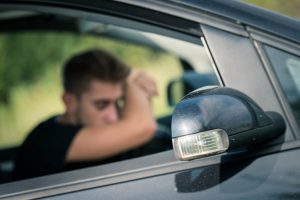
Medical episodes at the wheel can cause catastrophic accidents.
Driver Suffers Medical Episode, Causes 3-Vehicle Crash on U.S. 281
According to a KSAT News report, a medical episode led to a multi-vehicle crash and severe injuries last Saturday afternoon.¹
Police reported the accident happened at around 3:30 p.m. Saturday, August 15th, on U.S. Highway 281 near Bitters Road on the North Side.
A Toyota Highlander was traveling northbound on the access road when the driver suffered a medical episode and lost control of the vehicle. The Highlander traveled up the grassy median and onto the main lanes of U.S. 281, where it struck a Dodge Ram.
The impact caused the Dodge Ram to strike a Chevy Suburban and roll multiple times before coming to a stop. Two girls, ages 15 and 11, were ejected from the vehicle and suffered life-threatening injuries.
The 40-year-old driver of the Dodge Ram sustained non-life-threatening injuries. All three were taken to the hospital.
The condition of the occupants of the Suburban was not reported.
The driver who suffered the medical episode remained at the scene and cooperated with investigators. No charges were filed.
The investigation is ongoing.
Did You Know?
According to TxDOT crash data, 3,569 crashes across Texas in 2024 involved illness or a physical or mental impairment as a contributing factor.²
Can You Sue After a Car Accident If the Other Driver Suffered a Medical Episode?
Imagine you’re driving normally when another motorist suddenly loses consciousness, crosses into your lane, and crashes into you.
They didn’t choose to pass out. But you were seriously injured, your vehicle was destroyed, and medical bills began piling up almost immediately.
So, who is responsible?
The answer depends on whether the driver’s medical incapacity was truly sudden and unforeseeable.
A Truly Unexpected Medical Emergency Can Change Liability
Consider a driver named Sarah.
She has never fainted before and has no known condition that would make driving unsafe. Without warning, she suffers a sudden medical event, loses consciousness, and causes a crash.
If there was no reasonable way for Sarah to anticipate the episode, she may be able to argue that the collision was unavoidable rather than the result of negligence. Texas courts have recognized that an unforeseen loss of consciousness can serve as a defense to a negligence claim arising from a motor vehicle crash.³
Now change the facts.
Suppose Sarah has been experiencing repeated fainting spells for several weeks. She has been warned about the risk of losing consciousness but decides to drive anyway. She then passes out behind the wheel and causes a collision.
In that situation, the medical episode itself may still have been involuntary, but the decision to drive despite a known risk could become the basis for negligence.
Having a Medical Condition Does Not Automatically Make Someone Negligent
A diagnosis by itself does not mean a person acted irresponsibly by driving.
Many people safely drive while managing conditions such as diabetes, heart disease, epilepsy, and other health problems.
The more important question is whether the driver had reason to believe their condition could suddenly make them unable to control the vehicle.
An investigation would look at questions such as:
- Had the driver experienced similar episodes before?
- Were they feeling symptoms before the crash?
- Had a doctor advised them not to drive?
- Did they know their condition could cause loss of consciousness?
- Did they ignore warning signs and continue driving?
Those details seperate a genuinely unforeseeable emergency from a preventable crash.
What If the Driver Felt Sick Before Losing Control?
Not every medical episode happens instantaneously.
Sometimes there are warning signs.
In Luna v. Capehart, a Texas appellate court considered evidence that a driver experienced dizziness and double vision before losing consciousness. The driver acknowledged having enough time to call her husband and discuss her symptoms, which the court found created a factual question about whether she had time to respond to the developing emergency.⁴
That shows why timing matters.
If someone has enough warning to recognize that they may no longer be able to drive safely but continues anyway, their choices before becoming incapacitated become important in determining liability.
On the other hand, a driver who loses consciousness without any warning would have no realistic opportunity to prevent the collision.
How Do You Determine What the Driver Knew?
This is where medical-emergency accident cases can become complicated.
The driver may have little or no memory of the moments before the crash. And the evidence needed to determine whether the episode was foreseeable may not be obvious at the accident scene.
Depending on the case, investigators may look at:
- Statements the driver made after the crash
- Witness accounts of how the vehicle was being driven beforehand
- Relevant medical history
- Previous similar episodes
- Medication information
- Vehicle data
- Surveillance or dashcam footage
The goal is not simply to prove that a medical episode happened. It is to determine whether the driver had any reasonable warning that driving could become unsafe.
Injured in an Accident Caused by a Medical Episode? Call Shaw.
Medical-emergency crashes can be especially complicated because liability may depend on information that is not immediately available, including prior symptoms, medical warnings, witness statements, and other evidence showing whether the driver could have anticipated the episode.
If you or a loved one was injured after another driver suffered a medical episode, you could be entitled to compensation for:
- Medical Expenses
- Lost Wages
- Pain and Suffering
- Future Medical Treatment
- Rehabilitation
- Other Accident-Related Losses
- And More
We’ll help you find out for free.
Call Shaw today at 800-862-1260 to learn more about your legal options. There are no fees, no obligations, and no pressure—just straightforward legal guidance when you need it most.
We look forward to serving you.
²TxDOT Crash Contributing Factors 2024