 Texas Accident & Injury News


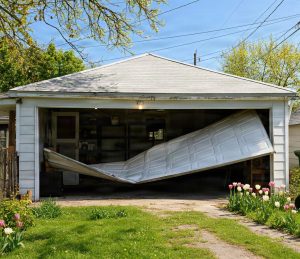
Multiple injuries and extensive property damage are common results of vehicles crashing into homes.
One Critically Injured After SUV Crashes Into Garage of San Antonio Home
According to a KSAT News report, one person was hospitalized after an SUV crashed into a West-Side home Monday afternoon.¹
SAFD reported the accident happened at around 1:40 p.m. Monday, October 26th, at a home on Village Parkway near Wood Bow Drive on San Antonio’s West Side.
For unknown reasons, the SUV crashed into the home’s garage, leaving one person in critical condition. It was not clear whether the injured person was inside the vehicle or the home at the time of the crash.
The residents were in the back of the house and were not injured.
The collision caused extensive damage to the garage, front exterior wall, and roofline.
No additional information was immediately available.
Did You Know?
According to the Storefront Safety Council, an estimated 2,600 people are killed in vehicle-into-building crashes every year across the United States.²
What Should You Do If a Vehicle Crashes Into Your Home?
You would think that your home would be the safest place from traffic. But the statisitics tell a different story.
The SSC estimates that there are over 100 vehicle-into-building crashes every day across the U.S. Surprisingly, only 24% of these incidents happen at retail stores. The rest happen in neighborhoods, parks, schools, and other areas where you should be safe.²
If a vehicle crashes into your home, the steps you take after are critically important both to your health and safety, and your chances of financial recovery afterward.
Let’s take a look at the steps you should take, and when to get a personal injury attorney involved in your case.
Get Out of the Damaged Area
Your first concern should be making sure everyone is safe.
A vehicle can damage more than the wall it hits. The impact can weaken roof supports, damage electrical systems, break gas lines, or make part of the structure unstable.
Move away from the damaged area and call 911.
If you smell gas, see exposed wiring, hear unusual shifting or cracking sounds, or notice signs that the roof or walls are unstable, leave the home and wait for emergency responders.
Do not enter a badly damaged garage or room simply to inspect the damage or retrieve belongings.
Document What Happened Before Repairs Begin
Once emergency responders have confirmed that it is safe to approach the area, take photographs and video.
Document:
- Where the vehicle entered the property
- Damage to walls, doors, windows, and the roof
- Damage inside the garage or home
- Vehicles or other property that were damaged
- Debris and other evidence from the collision
If neighbors or other witnesses saw the crash, get their contact information as well.
This evidence can help establish how the collision happened and document the full extent of the damage before anything is moved or repaired.
Have the Home Checked for Hidden Damage
A large impact can cause problems that are not obvious from the outside.
A cracked garage wall may also mean damage to framing or roof supports. Plumbing and electrical lines running through the affected area can also be damaged.
Before major repairs begin, a qualified contractor or structural professional should inspect the home and determine what needs to be repaired.
If the damage is severe, the family may need to stay somewhere else until the structure is safe.
Keep receipts for hotel stays, emergency repairs, boarded windows, temporary fencing, or other expenses caused by the crash.
Whose Insurance Pays for the Damage?
When a negligent driver crashes into someone’s home, the driver’s auto liability insurance can be responsible for the property damage they caused.
The homeowner may also need to make a claim through their own homeowners insurance, particularly when the damage is extensive or the driver’s available coverage is not enough.
That can result in more than one insurer being involved.
The homeowner should report the loss promptly, document the damage carefully, and keep records of every expense related to the accident.
For extensive damage, getting your own repair estimates can also help you understand the true cost of restoring the property rather than relying only on an insurer’s first estimate.
What If Someone Inside the Home Is Injured?
A vehicle crashing into a house can injure someone even without directly hitting them.
The impact can send glass, building materials, furniture, and other debris through the room. Someone may also be hurt by a collapsing wall or while trying to escape the damaged area.
If another driver’s negligence caused those injuries, the injured person can pursue a personal injury claim.
Compensation can address losses such as:
- Emergency treatment
- Hospital bills
- Future medical care
- Lost income
- Pain and suffering
A traffic citation is not required to bring an injury claim. Civil liability depends on whether the driver’s negligence caused the accident and resulting injuries.
The Driver May Not Be the Only Party Responsible
When a vehicle crashes into a home, the driver is often the first person people look to for answers.
But an investigation should not stop there.
More than one person, company, or even government entity can contribute to the same crash. Identifying every contributing cause is important because it can reveal additional responsible parties and additional sources of compensation for someone who was seriously injured.
For example, investigators may find that:
- Another driver helped cause the crash. A motorist may have cut the vehicle off, forced it out of its lane, or caused the driver to swerve to avoid a collision.
- A mechanical problem caused the driver to lose control. A defective vehicle part or a negligent repair could put responsibility on a manufacturer, repair shop, or another company.
- The road itself contributed to the accident. A dangerous roadway layout, missing or damaged signs, poor maintenance, or another unsafe road condition can contribute to a driver leaving the roadway.
- The city or another government agency was responsible for the road condition. Texas law allows some claims involving dangerous conditions of public roads and streets, although government claims are subject to special immunity rules, exceptions, and strict notice requirements.³
Roadway design deserves particular attention when a vehicle leaves the street and enters private property.
For example, investigators may examine whether the curve of the road directs out-of-control traffic toward nearby homes, whether warning signs or barriers were missing, or whether a known road hazard had gone uncorrected.
That does not mean the city is responsible every time a vehicle leaves the road. But if the roadway itself played a role, an attorney should investigate that possibility rather than assuming the entire case begins and ends with the driver.
An Attorney Can Protect Your Rights and Pursue Full Compensation
When someone is seriously hurt in a vehicle-into-home crash, determining every responsible party can make a major difference in the claim.
An attorney can investigate what happened, obtain the police report, locate witnesses, preserve available video, examine the roadway, identify all available insurance coverage, and document the full extent of the person’s injuries and financial losses.
If another driver, a company, or a government entity contributed to the crash, an attorney can investigate those parties as well.
This is especially important when a potential claim involves a city or another government agency because Texas law places special requirements and deadlines on those cases.³
Most importantly, having an experienced personal injury attorney helps protect your legal rights and gives you the best opportunity to pursue the full compensation you are entitled to under the law.
The property-damage portion of the accident may still involve the homeowner’s insurer, contractors, and repair estimates. But when someone is seriously injured, the personal injury claim deserves its own careful investigation and advocacy.
Injured When a Vehicle Crashed Into Your Home? Call Shaw.
A vehicle crashing into a home can cause serious injuries in a place where people should feel safe.
If you or a loved one was injured because of another person’s negligence, you could be entitled to compensation for:
- Emergency Medical Expenses
- Ongoing Medical Treatment
- Lost Wages
- Pain and Suffering
- Future Medical Care
- Other Accident-Related Losses
- And More
We’ll help you find out for free.
At Carabin Shaw, we put Clients First. Our attorneys can investigate what caused the crash, identify every potentially responsible party, protect your rights, and advocate for the full compensation you are legally entitled to.
Call Shaw today at 800-862-1260 for a free consultation. There are no fees, no obligations, and no pressure. Just clear, straightforward legal guidance when you need it most.
We look forward to serving you.
Sources
² Storefront Safety Council Crash Statistics
³ Texas Civil Practice & Remedies Code, Chapter 101 — Texas Tort Claims Act