 Texas Accident & Injury News


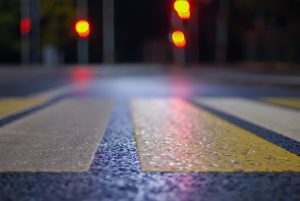
Walking at night brings unique risks, especially to senior pedestrians.
63-Year-Old Maria Del Carmen Santos Killed After Vehicle Struck Her While Crossing South Zarzamora Street
According to a KSAT News report, an elderly woman died after she was struck by a vehicle Saturday night.¹
Police reported the accident happened at around 9 p.m. Saturday, July 11th, at the intersection of Gillette Boulevard and South Zarzamora Street on San Antonio’s South Side.
Investigators say 63-year-old Maria Del Carmen Santos was attempting to cross the main lanes of South Zarzamora Street when she was struck by a southbound vehicle.
The driver stopped to render aid, but Santos was pronounced dead at the scene.
Police indicated she was crossing outside of a marked crosswalk. No charges have been filed, and the driver is cooperating with the investigation.
The Bexar County Medical Examiner’s Office determined Santos died from blunt force injuries, and ruled her death an accident.
Did You Know?
There were 768 pedestrian fatalities across Texas in 2024, according to TxDOT crash data.²
How Senior Pedestrians Can Stay Safe in Low-Visibility Conditions
Walking is one of the best ways for older adults to stay active, maintain independence, and improve overall health. Unfortunately, it also becomes more dangerous as visibility decreases.
Many fatal pedestrian accidents involving seniors occur during the early morning, evening, or nighttime hours when drivers have a harder time spotting people in or near the roadway. Poor weather, glare, and age-related changes in vision or mobility can make an already challenging situation even more dangerous.
While no one can eliminate every risk, understanding why these crashes happen can help older adults make safer decisions whenever they’re walking near traffic.
Why Seniors Face Greater Risks
As we age, it often takes longer to process what’s happening around us and react to changing traffic conditions.
Many older pedestrians experience:
- Reduced night vision
- Difficulty judging the speed of approaching vehicles
- Slower walking speeds
- Reduced hearing
- Mobility or balance challenges
None of these changes mean someone should stop walking. They simply mean it’s important to allow extra time and exercise additional caution, particularly on busy roads.
Low Visibility Affects Everyone
Low visibility isn’t limited to nighttime.
Rain, fog, overcast skies, sunrise, sunset, and glare from headlights can all make it more difficult for drivers to recognize pedestrians until they’re much closer than expected.
Drivers may have difficulty seeing someone because of:
- Dim lighting
- Headlight glare
- Dark clothing
- Rain or fog
- Wet pavement reflecting light
At the same time, pedestrians may find it harder to judge how fast a vehicle is approaching or whether the driver has noticed them.
Cross Where Drivers Expect You
One of the simplest ways to reduce your risk is to remain predictable.
Whenever possible:
- Cross at marked crosswalks or intersections.
- Wait for the pedestrian signal before entering the roadway.
- Make eye contact with drivers before crossing.
- Avoid crossing between parked cars or across the middle of busy streets.
While drivers have a duty to watch for pedestrians, crossing where motorists expect people to be makes it much easier for everyone to react safely.
Make Yourself Easier to See
Being visible gives drivers more time to slow down and stop safely.
If you’re walking during dawn, dusk, at night, or in poor weather:
- Wear light-colored or reflective clothing.
- Carry a flashlight if sidewalks are poorly lit.
- Use a bright colored umbrella in rainy conditions.
- Wear reflective bands or accessories when possible.
- Avoid clothing that blends into your surroundings.
Small changes like these can dramatically improve your visibility.
Never Assume a Driver Sees You
Even if you have the right of way, it’s important to remember that drivers can make mistakes.
Before crossing, ask yourself:
- Has the vehicle come to a complete stop?
- Is the driver looking toward me?
- Could another vehicle be approaching in the next lane?
Waiting a few extra seconds to confirm it’s safe is often the best decision you can make.
After a Serious Pedestrian Accident
Pedestrian accidents frequently cause severe or fatal injuries because the human body has no protection against the force of a moving vehicle.
If someone else’s negligence contributed to the crash, injured pedestrians—or surviving family members after a fatal accident—may have legal options. An experienced attorney can investigate what happened, preserve important evidence, and help determine whether compensation may be available.
Injured or Lost a Loved One in a Pedestrian Accident? Call Shaw.
If you or a loved one was injured in a pedestrian accident, you could be entitled to compensation for things like:
- Emergency Treatment and Hospital Bills
- Pain and Suffering
- Ongoing Medical Care
- Wrongful Death Damages
- And More
We’ll help you find out for free.
Call Shaw at 800-862-1260 today or use our live chat to schedule your free consultation with one of our experienced pedestrian accident attorneys. There are no fees, no obligations, and no pressure—just straightforward legal guidance when you need it most.
We look forward to serving you.