 Texas Accident & Injury News


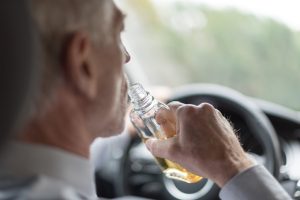
The elderly face significant risks in drunk driving accidents.
Alcohol Possibly Involved in Wrong-Way Crash That Killed 63-Year-Old Luis Martinez
According to a KSAT News report, alcohol may have contributed to a wrong-way crash that killed a 63-year-old man Friday evening.¹
Police reported the accident happened at around 8:30 p.m. Friday, July 31st, in the 5200 block of Roosevelt Avenue near Loop 410 on San Antonio’s South Side.
Investigators say a man was driving northbound in the southbound lanes of Roosevelt Avenue when he encountered another vehicle traveling south. Both drivers reportedly swerved in an attempt to avoid one another but moved into the same lane and collided.
The wrong-way driver, identified as 63-year-old Luis Martinez, was initially reported to have suffered non-life-threatening injuries. He died several hours later at the hospital.
The report did not indicate whether the other driver was injured.
Responding officers said Martinez showed possible signs of intoxication following the crash. The investigation remains ongoing.
Did You Know?
According to TxDOT, 369 drivers ages 65 and older were killed in Texas traffic crashes in 2024.²
Why Older Adults Face Greater Risks in Serious Car Accidents
A crash can cause devastating injuries at any age, but older adults are more likely to suffer life-threatening complications after a collision.
As the body ages, it becomes less able to withstand the force of an impact. Injuries that initially appear survivable may worsen in the hours or days after a crash, particularly when the victim has underlying health conditions.
This increased vulnerability makes wrong-way and head-on collisions especially dangerous for drivers in their 60s, 70s, and beyond.
Why Crash Injuries Can Be More Severe With Age
Older drivers and passengers may face a greater risk of serious injury because of age-related changes such as:
- More fragile bones
- Reduced muscle mass
- Greater vulnerability to internal injuries
- Pre-existing medical conditions
- Longer and more difficult recoveries
Emergency responders may initially believe an injury is not life-threatening, only for complications to develop later. Internal bleeding, head trauma, and chest injuries are not always immediately obvious at the scene.
That is why prompt medical evaluation and continued monitoring are important after any significant collision.
How Alcohol Can Lead to Wrong-Way Driving
Alcohol affects much more than a driver’s ability to steer in a straight line. It can impair judgment, reduce awareness, and make familiar roads feel confusing.
An impaired driver may:
- Miss “Wrong Way” or “Do Not Enter” signs
- Enter a divided road from the wrong direction
- Drift across lanes
- Misjudge speed and distance
- React too slowly to approaching traffic
- Make sudden or unpredictable steering decisions
These errors become particularly dangerous on busy roads where other drivers may have only seconds to recognize the threat and respond.
Why Wrong-Way Crashes Are So Deadly
Wrong-way crashes often result in head-on or nearly head-on impacts. When two vehicles are moving toward one another, their combined speeds can produce tremendous force.
Unlike a rear-end collision, where both vehicles may be traveling in the same direction, a wrong-way crash gives drivers very little time to slow down or escape.
Even a careful driver may be unable to avoid the collision once a wrong-way vehicle appears directly ahead.
Why Both Drivers May Swerve Into the Same Lane
It can seem strange that two drivers trying to avoid each other would still collide, but evasive maneuvers happen in a fraction of a second.
When a wrong-way vehicle approaches, each driver may instinctively steer toward what appears to be the open side of the road. If both choose the same direction, they can remain on a collision course.
Investigators may examine skid marks, vehicle damage, roadway layout, and electronic vehicle data to determine how each driver reacted in the moments before impact.
What to Do If a Wrong-Way Driver Is Approaching
Wrong-way crashes are difficult to predict, but knowing how to respond may improve your chances of avoiding one.
If you see a vehicle traveling toward you in the wrong direction:
- Reduce your speed immediately.
- Move safely toward the right side of the road.
- Flash your headlights or sound your horn to alert the driver.
- Avoid swerving into another occupied lane.
- Pull off the roadway when it is safe.
- Call 911 as soon as possible.
Drivers should be especially alert at night, when intoxication and poor visibility may increase the risk of a wrong-way collision.
How Investigators Determine What Caused a Fatal Crash
An initial news report rarely tells the complete story.
After a fatal wrong-way collision, investigators may review:
- Toxicology test results
- Witness statements
- Surveillance or traffic-camera footage
- Vehicle event data
- Skid marks and debris
- Road signs, lighting, and lane markings
The investigation may also determine whether more than one factor contributed to the crash.
Alcohol may be suspected at the scene, but toxicology results and other evidence are generally needed before investigators can reach a final conclusion.
Lost a Loved One in a Wrong-Way Accident? Call Shaw.
Wrong-way crashes often raise difficult questions about intoxication, roadway design, evasive actions, and shared responsibility. An experienced attorney can review the evidence, explain how Texas law applies, and determine whether another person or business may be legally responsible.
If your family lost a loved one because of someone else’s negligence, you could be entitled to compensation for things like:
- Medical Costs Incurred Before Death
- Funeral and Burial Expenses
- Loss of Financial Support
- Loss of Companionship
- Mental Anguish
- Wrongful Death Damages
- And More
We’ll help you find out for free.
Call Shaw at 800-862-1260 today or use our live chat to schedule your free consultation. There are no fees, no obligations, and no pressure—just clear, compassionate legal guidance when you need it most.
We look forward to serving you.